Planning all-inclusive European tours
When planning an all-inclusive tour of Europe, it's important to make practical decisions regarding routes, transport, accommodation and excursions.
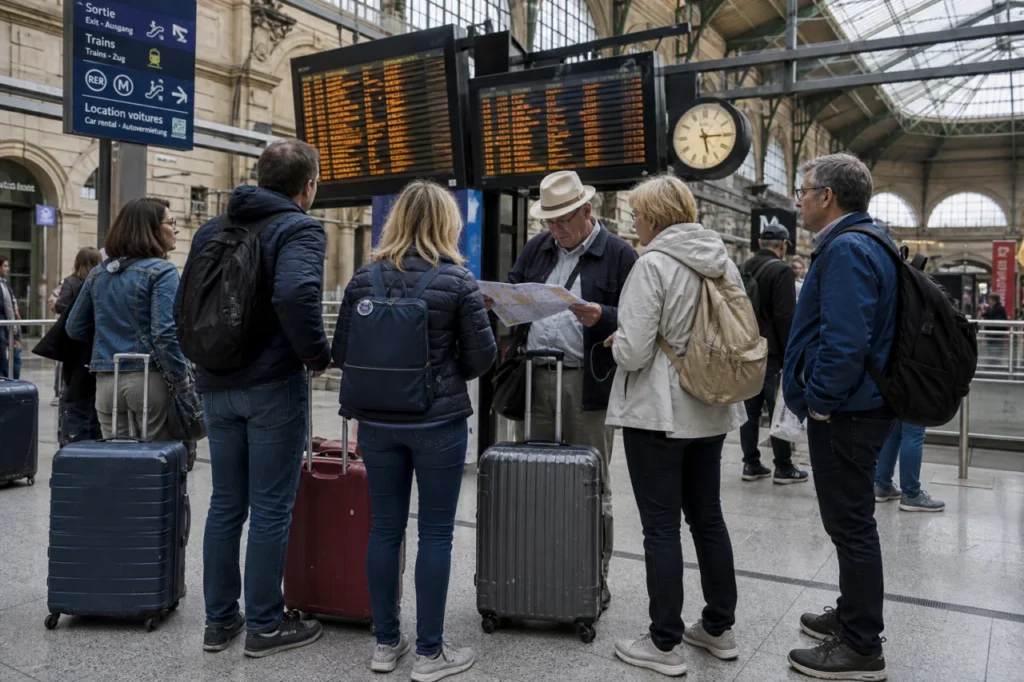
Selecting routes and countries
An all-inclusive European tour allows you to experience multiple countries and cultures without having to worry about the details. Popular options include classic tours of cultural capitals such as Paris, Rome and Berlin, or themed trips such as a culinary tour of the Mediterranean. Decide how many countries you want to visit within your timeframe, and plan carefully to avoid feeling rushed.
Arranging transport and guides.
Transport is a key component of any tour. While most all-inclusive tours offer group travel by bus, other options include train journeys or domestic flights for longer distances. Having a local guide can be especially valuable, particularly in countries where language barriers exist. As well as leading the way, guides provide deeper insights into the cultural and historical contexts of the places you visit.
Hotels and meals
Accommodation is usually included in an all-inclusive tour and can range from three-star to luxury five-star hotels, depending on the package chosen. Meals can range from hotel buffets to local dining experiences. Find out how many meals are included and if there is flexibility for dietary requirements or special requests, such as vegetarian options.
planning excursions
Excursions often form the centrepiece of a tour itinerary, including visits to museums, historical sites and nature parks. Check which excursions are included in the price and which are optional extras. Optional activities may incur an additional cost. Find out how much free time you will have during the tour to explore or relax on your own.
Leisure time and flexibility
Leisure time is an important feature of an all-inclusive tour, offering the chance to explore independently outside of the group programme. Ask in advance how much time is allocated for personal exploration. This allows you to find less-visited spots or simply unwind. Rigid schedules can limit flexibility, so it's useful to know how much autonomy you have beforehand.
Frequently asked questions
Are train journeys an option for all-inclusive tours around Europe?
Yes, some all-inclusive tours use trains, especially in regions with a well-developed rail network like Western and Central Europe.
How many countries can you realistically visit during a 10-day tour?
Typically, 3 to 4 countries can be visited during a 10-day tour, depending on distances and the itinerary.
Do I need to buy separate entry tickets for attractions?
This depends on the tour package. Some excursions include entry fees, while others might require a separate ticket.
Are there special all-inclusive tours for vegetarians?
There are tours that cater to dietary preferences, including vegetarian options. It's important to check with the provider in advance.
How much free time do you usually have during an organized tour?
This varies by trip. Typically, there is some free time each day for personal activities, but the amount can vary significantly between providers.