All-inclusive resorts in Iceland
Discover the finest all-inclusive resorts in Iceland, focused on local gastronomy and premium service.
Iceland isn't your typical all-inclusive destination. You're not heading here for palm trees, sun loungers on a warm sandy beach, and a resort where you spend your entire day moving between buffet and pool. Iceland offers something different. It's raw, serene, remarkable, and at times unpredictable. That's precisely why an all-inclusive trip to Iceland can be a great idea. Not for the classic beach-resort experience, but because ease, care, and good organization are extra important here.
An all-inclusive vacation in Iceland is all about comfort and reassurance. Think hotels providing breakfast and dinner, package deals that include flights, accommodations, and excursions, tours with organized day trips, wellness hotels with access to hot springs, or packages where you don't need to plan every detail yourself. The traditional all-inclusive setup isn't as common here as it is in Turkey, Spain, or Greece. Yet, many travelers seek that feeling of everything being taken care of, minimal stress, and enjoying their holiday to the fullest.
Iceland is a land of glaciers, geysers, hot springs, volcanic landscapes, and the northern lights. The official tourism site, Visit Iceland, highlights these elements as key features. This says a lot about the kind of vacation you'll book here. Iceland isn't a place where the hotel plays the starring role. Nature is the main attraction. However, a good hotel or well-organized package can greatly enhance your relaxation and enjoyment.
Why opt for an all-inclusive trip to Iceland?
Iceland is stunning but requires more planning than a typical sun holiday. Distances are greater than they appear on a map, the weather can change quickly, and some excursions are seasonal. This is why having much pre-arranged is beneficial. A package including hotel, breakfast, transfers, excursions, or a rental car provides peace of mind, especially if it's your first time visiting Iceland.
When thinking of all-inclusive in Iceland, it's not about grabbing unlimited ice creams by the pool. It's about a well-structured journey where daily logistics aren't a puzzle. Where will you stay? How do you reach the Golden Circle? Which excursions suit the season? Is it safe to drive yourself today? Where will you eat dinner in quieter areas? These practical questions carry more weight in Iceland than on a beach holiday.
Choosing a well-planned all-inclusive or organized trip eases a lot of pressure. You arrive knowing your itinerary and have the major elements sorted. This is especially comforting in winter, when days are shorter and weather conditions might impact your plans. Safetravel, the official Icelandic travel advice resource, notes that weather and road conditions can swiftly change. Hence, a guided or well-catered trip is often the wisest option.
Iceland is ideal for couples, families with older kids, friends, and those who value nature over sunny guarantees. It’s not the place for a warm beach vacation or entertaining children with water slides and animation shows. But if you're looking to experience something special together, Iceland leaves a lasting impression.
Reykjavik is the easiest base.
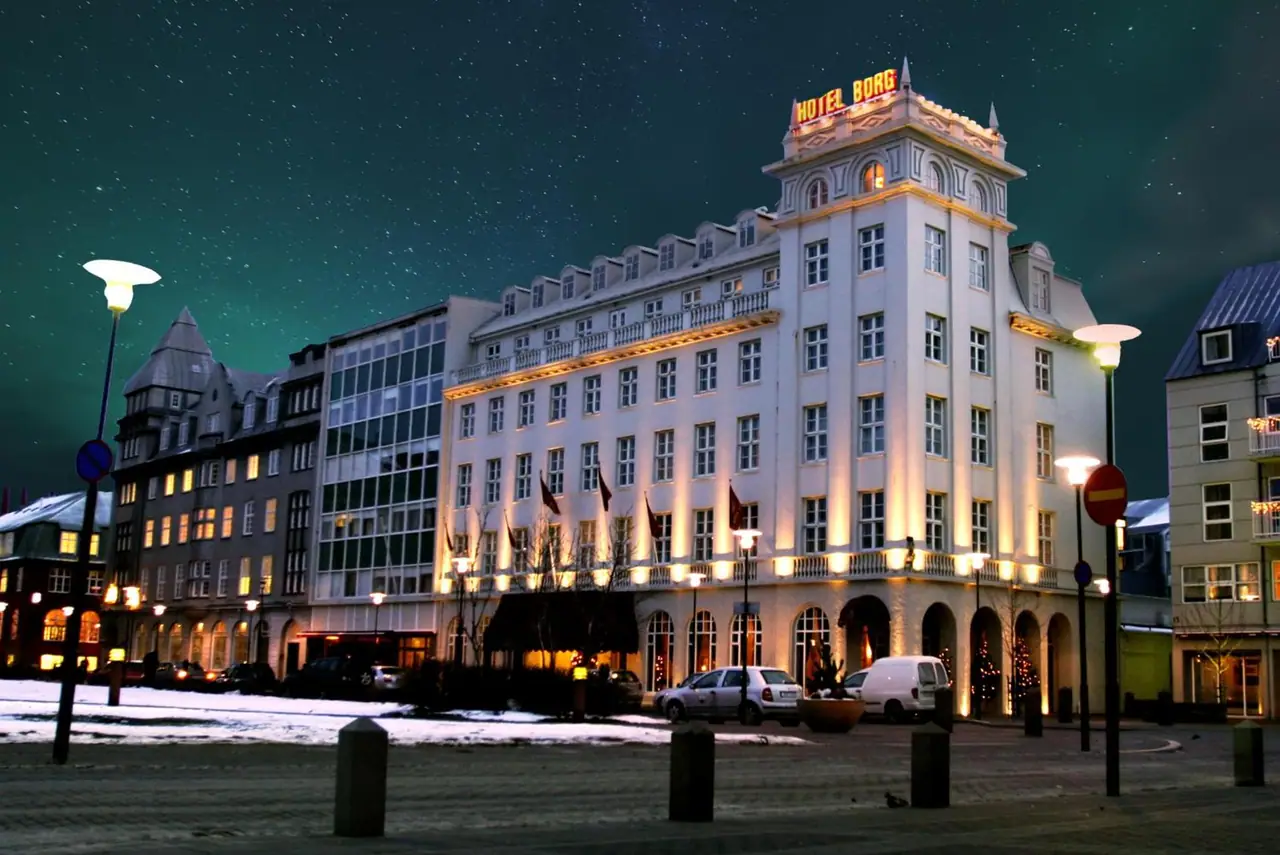
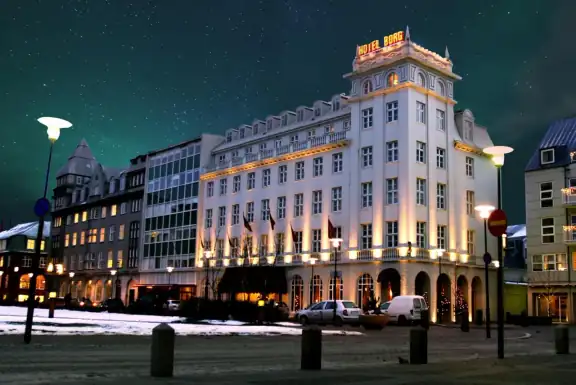
For many travelers, Reykjavík serves as the best starting point for a first all-inclusive trip to Iceland. The capital is compact, welcoming, and practical. You'll find hotels, restaurants, museums, shops, harbors, tour companies, and excellent transport links to major sights. Many Iceland packages are based on staying in Reykjavík with day trips to natural wonders.
This suits those preferring minimal organization. You stay several nights in the same hotel and take excursions from there, to places like the Golden Circle, Blue Lagoon, the south coast, or, in winter, a northern lights tour. You don't have to drive unfamiliar roads, yet you can experience a lot.
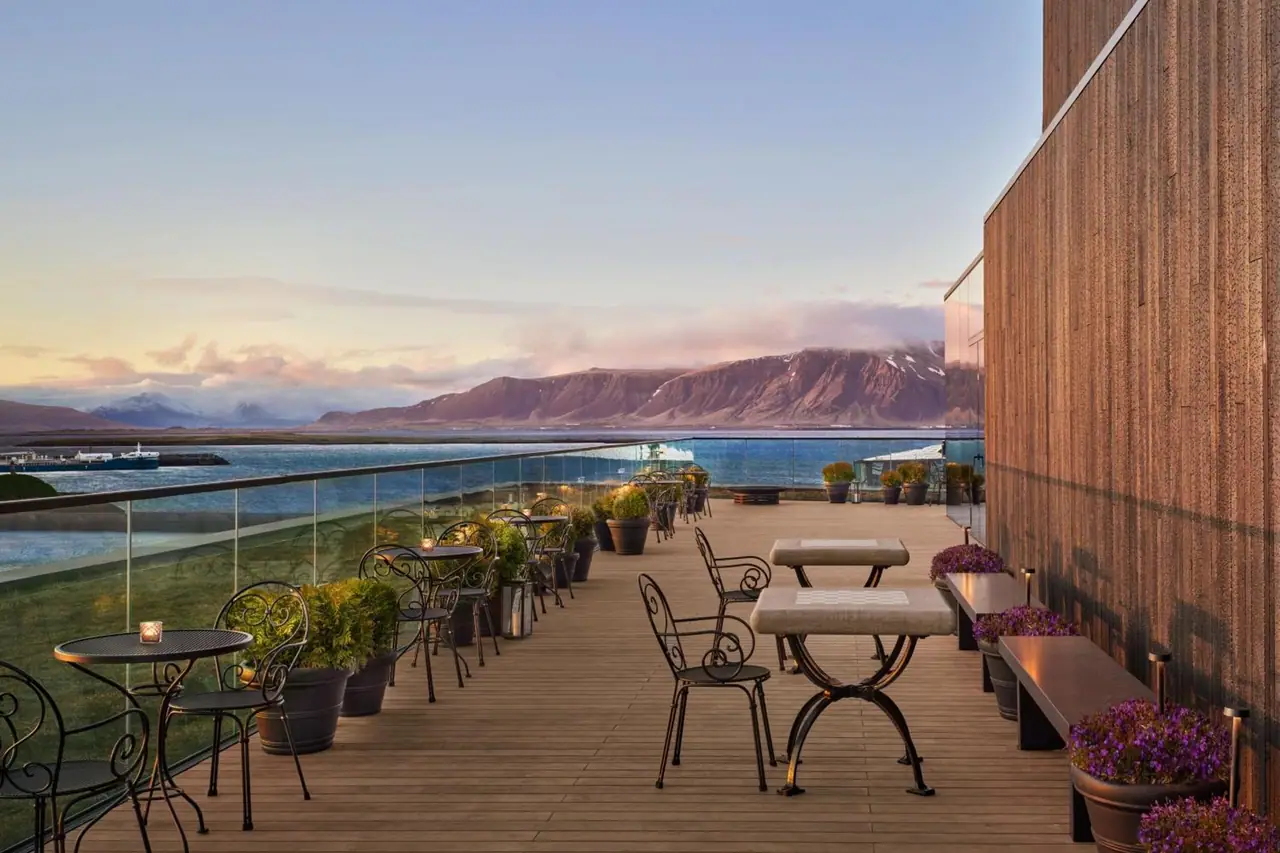
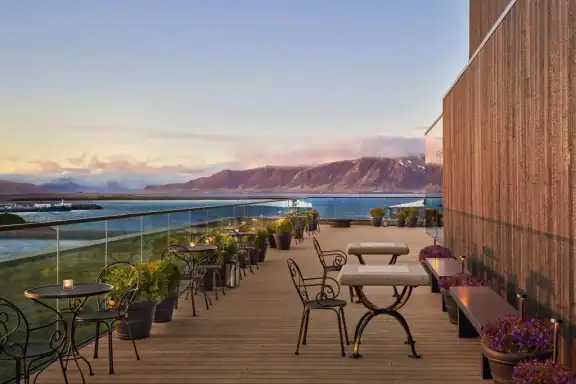
Reykjavík itself is delightful for quiet days. Explore the harbor, visit the Hallgrímskirkja, wander shopping streets, pop into museums, or try a local swimming pool. For an all-inclusive holiday, the hotel is especially key. Ideally, choose one with a good breakfast, comfortable rooms, and maybe a restaurant or wellness facilities. Dining out in Iceland can be costly, so a package including dinner or half-board can be advantageous.
Reykjavík is perfect for couples wanting to mix comfort with excursions. You can venture into nature by day and return to a city hotel by night. For families, Reykjavík offers convenience by minimizing daily relocations. Particularly with children, this means more calm than a full circuit tour.
The Golden Circle: a day in Iceland in a nutshell.
The Golden Circle is Iceland's most famous route. In a day, you witness much of what makes the country unique—geysers, waterfalls, volcanic scenery, and historical sites. Visit South Iceland highlights the Golden Circle as one of the most popular routes, with its array of notable natural landmarks.
This is an excellent excursion for first-time visitors. You don't travel far inland and still get an impressive introduction to the natural wonders. Many all-inclusive packages or organized city trips include the Golden Circle excursion, offering the benefit of guided tours without the need to drive yourself.
The route is renowned for Þingvellir, the Geysir area, and Gullfoss. Þingvellir stands out for its landscape and history. At Geysir, you witness geothermal activity and erupting hot springs. Gullfoss is a powerful waterfall that leaves its mark in any season. In winter, the route has a rougher and quieter feel, while in summer it appears greener and more accessible.
For families, the Golden Circle is perfect because the stops are concise. You're not seated in the bus all day, and children experience a variety of sights. For couples, it's a great day trip easily paired with a warm bath or dinner in Reykjavík.
The Blue Lagoon and other hot baths
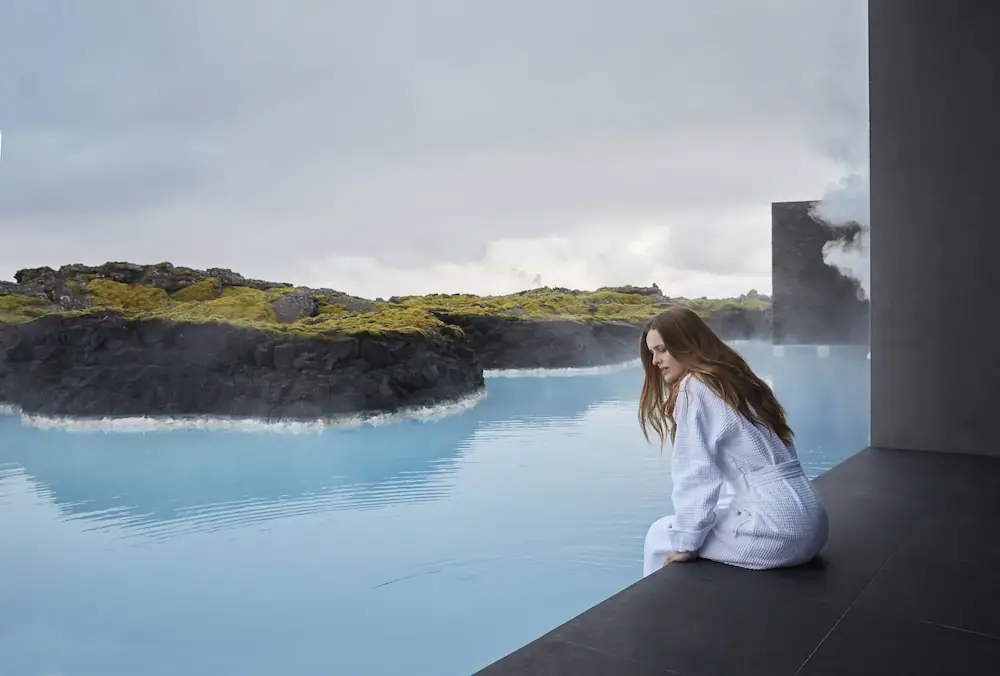
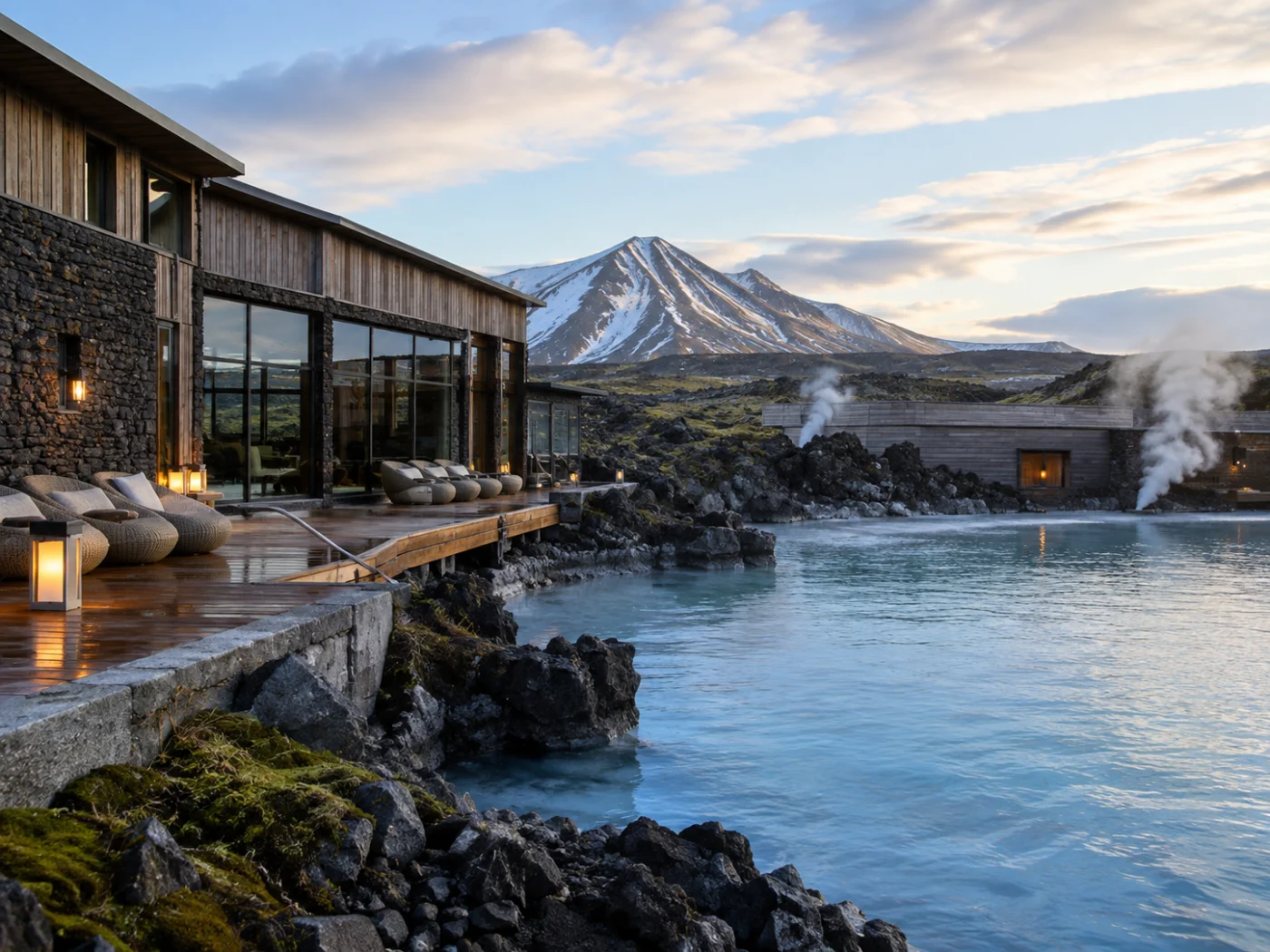
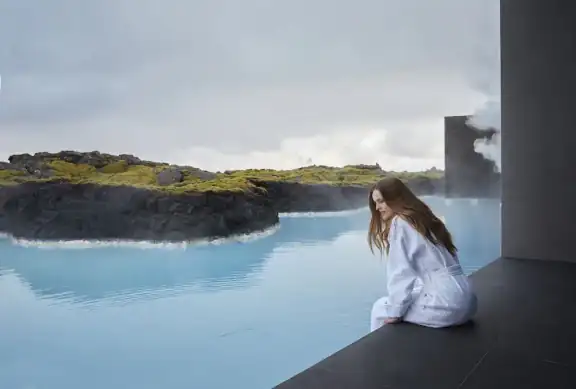
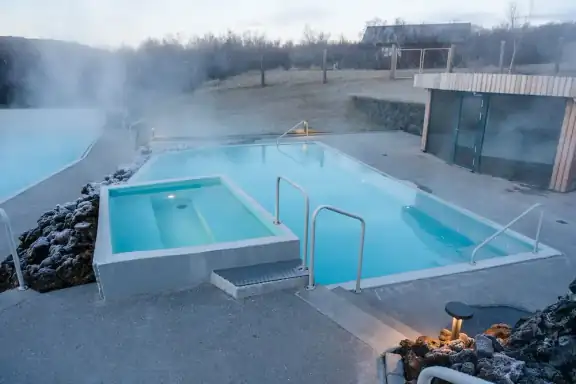
Hot springs are quintessential to Iceland. After a cold day outside, a soak in warm geothermal water is unmatched. The Blue Lagoon is a prime destination. According to the Blue Lagoon, it remains open year-round and is easy to reach, including in winter. For many, it’s a staple of their first Iceland visit.
Conveniently located between Keflavík Airport and Reykjavík, the Blue Lagoon can be visited on your arrival or departure day, fitting nicely with a well-managed vacation. Flying in, relaxing in warm waters, and easily beginning your tour sets a tranquil tone. However, it's wise to book in advance, especially during peak periods.
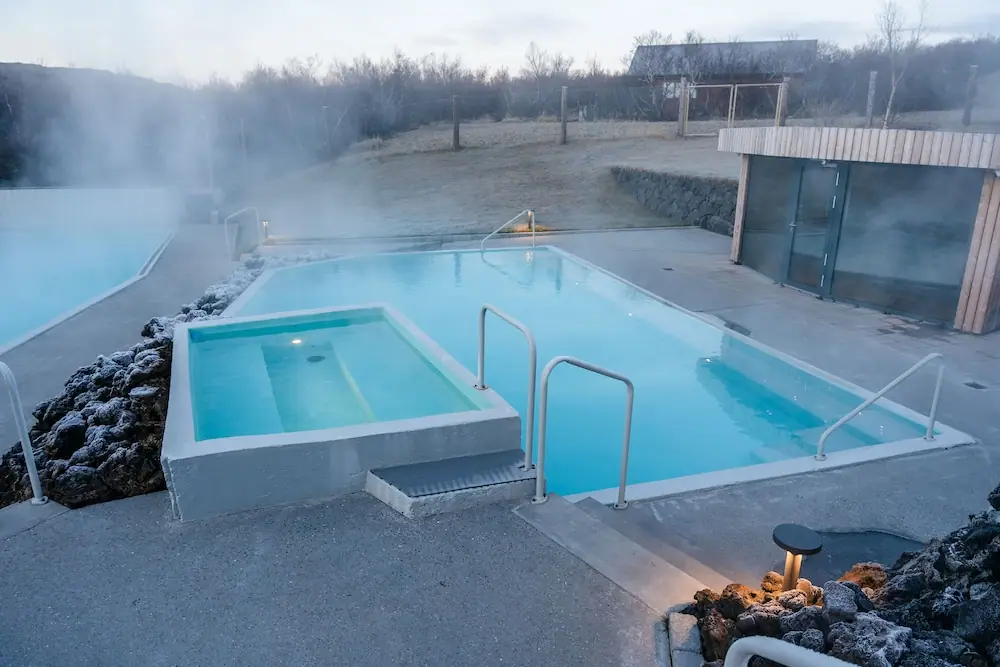
Beyond the Blue Lagoon, Iceland boasts many other hot springs and local pools. Reykjavík alone offers numerous public pools locals love. Popular spots include Sky Lagoon, Secret Lagoon, Laugarvatn Fontana, and various baths across regions. Incorporating a wellness moment into your all-inclusive trip enriches an active itinerary with a touch of comfort.
For couples, a soak in hot waters is often a travel highlight, especially in winter when the air is crisp and the water invitingly warm. For families, local pools might be more practical than upscale spas, as they often offer greater affordability and access. Always check age restrictions, opening times, and reservation policies.
South Iceland is home to waterfalls, black beaches and glaciers.
The south coast ranks among Iceland's most beautiful areas. While you can explore parts as day trips from Reykjavík, staying overnight creates a more relaxed pace. The region features iconic waterfalls like Seljalandsfoss and Skógafoss, Vík’s black beaches, glacier landscapes, and rugged coastlines.
For all-inclusive Iceland, South Iceland is exciting as part of a package or tour. You witness numerous highlights without needing to drive around the entire island. A comprehensive tour might combine hotels, breakfast, planning, and sometimes excursions, offering peace of mind, especially if you're inexperienced with Icelandic driving conditions.
The black sand beach at Reynisfjara captivates but demands caution. Waves can be dangerous, and local warnings should always be heeded. This typifies Iceland: stunning but serious. Nature here is not just a backdrop, but something to interact with respectfully.
For families with older children, the south coast is fantastic, sparking the imagination with waterfalls, beaches, and glaciers. Young children might find long drives and strong winds challenging, so a slower pace with more breaks might be best.
Northern Lights: a winter dream.
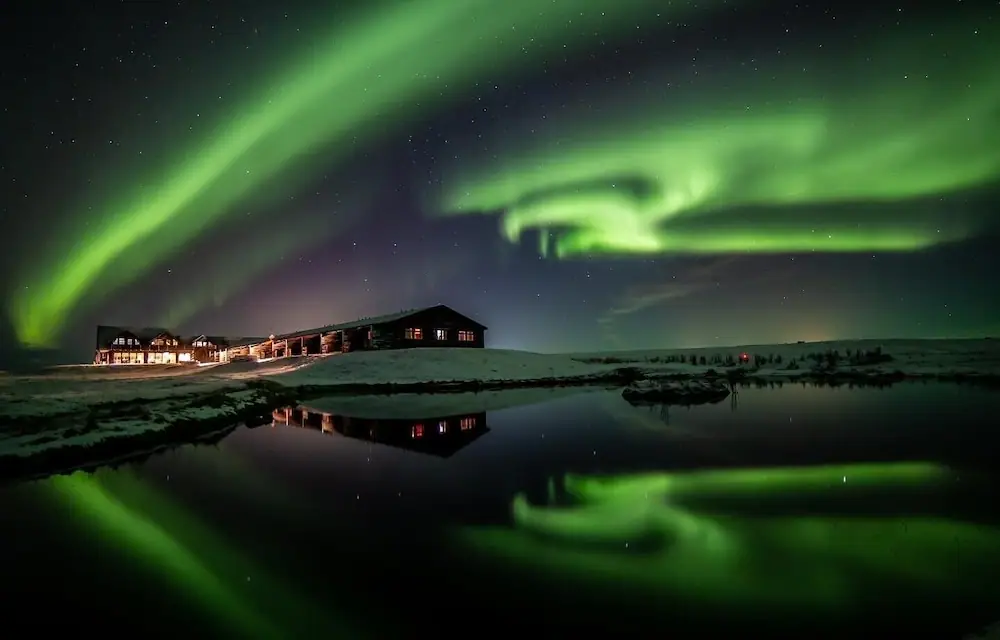
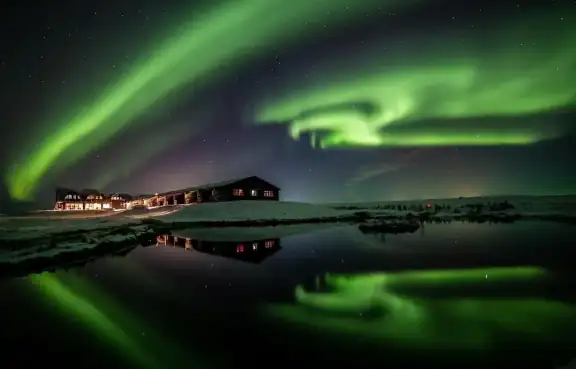
Many travelers visit Iceland hoping to see the northern lights. It can be a magical sight, but never promised. It requires dark skies, a clear atmosphere, and solar activity. Visit Reykjavík offers tips for northern lights viewing in and around the city, citing factors like low light pollution as key.
For an all-inclusive winter holiday, consider adding a northern lights excursion or choose a package that includes this. Guides know where viewing chances are higher and monitor weather forecasts. Exploring on your own is possible but requires more effort.
The prime window for the northern lights is the darker months of September through April. In high summer, night skies remain too light. Winter trips to Iceland often feature Reykjavík, hot springs, the Golden Circle, the south coast, and the northern lights—a strong combination for a concise yet rewarding visit.
Be sure to set realistic expectations. You might journey for four nights and see nothing, or strike lucky on your first evening. Don’t book Iceland solely for the northern lights, but for the overall experience. The waterfalls, baths, landscapes, and winter charm ensure the visit is special, with or without the auroras.
Iceland in summer
Summer in Iceland contrasts greatly with winter. Days stretch long, the scenery turns greener, and roads become more navigable. This season suits those wanting to explore more of the country.
An all-inclusive summer trip might include a fly-drive package with hotels and breakfast, a guided tour, or a plan with built-in excursions. While traditional all-inclusive deals are rare, curated packages are popular. It's essential to know where you’ll stay and how your route unfolds en route.
Summer invites you to the Ring Road, the south coast, Snæfellsnes, Akureyri, Mývatn, and other regions. For first-timers not keen on driving extensively, basing in Reykjavík with excursions suits well. It's simpler and less demanding.
For families, summer is ideal. The long days, milder weather, and flexibility make it the easiest time. Still, it is no beach destination. Pack layered clothing and prepare for changeable weather.
Iceland in winter
Winter boasts a magical charm, but demands more preparation. Days shorten, roads can ice over, and weather shifts rapidly. Yet, you get stunning snowscapes, hot springs, the chance to see the northern lights, and a unique atmosphere.
For an all-inclusive or well-arranged winter trip, making Reykjavík your base is often practical. Tours with guides cover excursions, sparing you from long drives. Safer and more relaxed. Should you choose to drive, rent an appropriate vehicle and check daily weather and road conditions.
Winter suits couples, friend groups, and families with older children. It works with young kids too, but a relaxed schedule is key. Avoid over-planning—a flexible approach is crucial in winter Iceland.
Iceland with children
Iceland can be terrific for children, depending on their ages and interests. Kids curious about nature, animals, water, volcanoes, waterfalls, and adventure often find it fascinating. The country feels like a vast outdoor museum, brimming with sights.
For young children, short travel days help. Use Reykjavík as a base for straightforward family-friendly outings. Local pools are often a hit, and trips to waterfalls, geysers, or short hikes work well. Older kids can tackle more ambitious activities, like glacier trips, whale watching, horseback riding, or longer excursions.
All-inclusive trips ease traveling with children by simplifying meals and overall planning. Hotels providing breakfast are almost essential. Half-board is useful when you’re in quieter areas. In Reykjavík, restaurant options abound, but pre-planning makes sense outside the capital.
Don't expect kids' clubs like in Turkey. Iceland entertains children differently—fewer animations, more wonder.
Iceland for couples
Iceland ranks among the top spots for an extraordinary couples’ getaway. It’s romantic without being contrived—soaking in a hot bath with crisp air above, misty waterfall views, dining in Reykjavík, waiting outside for the northern lights, or road-tripping past black beaches and lava fields.
A well-organized trip complements this ambiance. You won’t want to fuss over logistics, especially if your visit is brief. Choose a package with accommodation, excursions, and transfers to free up time for enjoyment. For celebrations or special occasions, opt for a premium hotel, spa visit, or private excursion.
For couples seeking tranquility, Iceland off the busiest summer season is ideal. May, September, October, January, and February offer unique experiences. The atmosphere is more intimate, hotels quieter, and the natural landscapes feel even grander.
Food and drink in Iceland
Iceland is known for fresh fish, lamb, dairy, rye bread, soups, and local ingredients. Reykjavík offers numerous excellent restaurants, ranging from casual to fine dining. Outside the capital, options can be limited, especially in less busy regions or off-peak times.
This is why well-organized planning pays off. A hotel with a solid breakfast lightens your day. Half-board options can be wise when staying outside Reykjavík. Dining out can be expensive, so a meal-inclusive package helps budget control.
For all-inclusive Iceland, check what's covered. Often it's breakfast and dinner, sometimes excursions or spa access. Be aware that drinks and lunches aren't always part of the deal.
The best time to travel to Iceland.
Your ideal travel time depends on your aims. For touring, long days, and greater access, June, July, and August are best. For northern lights, go between September and April, with winter months being the darkest. For quieter times, May, September, and October appeal.
Winter is beautiful but demands flexibility. Summer is simpler, though busier and often pricier. For a first trip, a long weekend in Reykjavík with the Golden Circle, a hot bath, and the south coast delivers a well-rounded experience. For a return visit, consider the Ring Road, north, or Westfjords.
Things to consider when planning an all-inclusive trip to Iceland:
The key is managing your expectations. Iceland is not a traditional all-inclusive country. You’re more likely booking a well-organized trip than a resort vacation. Pay attention to included meals, excursions, transfers, rentals, insurance, and cancellation policies.
Also, consider the season and safety. Weather and roads can change quickly, especially in winter and shoulder seasons. Use official sources like Safetravel and local weather updates before venturing out independently.
Choose your hotel carefully. In Reykjavík, focus on location and access to tours. Outside the city, restaurant options, breakfast, and comfort become more important. Book hot springs and popular excursions in advance. Don't overfill your itinerary—leave room for weather, daylight, and unexpected moments.
Frequently Asked Questions about an all-inclusive holiday in Iceland.
Would Iceland be a good place for an all-inclusive holiday?
Yes, but it's different from classic sun destinations. All-inclusive in Iceland often means a well-organized trip including hotel, breakfast, dinner, excursions, transfers, or wellness. Large beach resorts with unlimited buffets aren't typical here.
What is the best place to stay in Iceland?
For a first visit, Reykjavík is the best base. From there, you can explore the Golden Circle, Blue Lagoon, south coast, and northern lights tours. For road trips, South Iceland, Snæfellsnes, Akureyri, and the Ring Road are interesting.
Is Iceland a good place for children?
Yes, especially for kids who enjoy nature and adventure. Waterfalls, geysers, warm pools, horses, whales, and volcanic landscapes captivate. Keep travel days short with young children.
Is it possible to see the Northern Lights in Iceland?
Yes, mainly from September to April when it's dark enough. The northern lights are never guaranteed. Clear skies, low light pollution, and solar activity matter.
When is the best time to visit Iceland?
June, July, and August are easiest for road trips. For the northern lights and winter ambiance, choose September to April. May, September, and October suit those wanting less crowd.
Is Iceland expensive?
Yes, it is relatively costly. Meals, car rentals, excursions, and hotels can be high-priced. A package or stay with meals included offers better budget control.
Are you looking to rent a car in Iceland?
Not always. From Reykjavík, many tours are available. For road trips, a rental car offers freedom, but in winter or poor weather, guided tours often provide better comfort and safety.
What does an all-inclusive holiday in Iceland include?
It varies by provider. Typically, it covers flights, hotel, breakfast, transfers, excursions, or half-board. Drinks, lunches, and spa access may not be included. Check details before booking.
View all hotels on the map


Including airports within 250 km of the hotels.